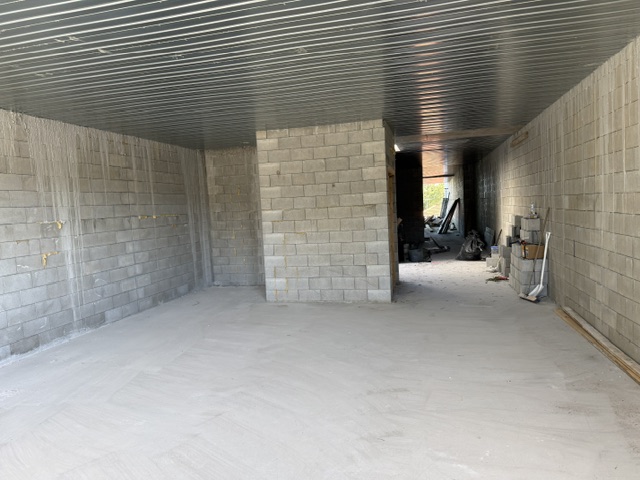
Basement Engineering and Design Services
Our engineering team delivers compliant, constructable designs that integrate geotechnical analysis, structural load calculations, and site-specific constraints into buildable documentation ready for construction execution.
We provide in-house structural engineering and design services from concept through to construction documentation for basement projects across Melbourne.
Book a Project Consultation
Discuss your basement construction requirements with our specialists.
Why Engineering Matters in Basement Construction
Basement structures operate under conditions that require engineered solutions—not standard construction practices scaled to below-ground environments. Every basement project involves lateral earth pressure, hydrostatic loading, soil-structure interaction, and differential settlement risk that must be calculated, analysed, and designed for structural performance and long-term stability.
Engineering capability determines whether a basement will meet structural design standards, comply with AS 3600 and AS 4678 requirements, and be designed to address ground movement considerations over the building's service life. Inadequate engineering can result in undersized retaining walls, insufficient reinforcement detailing, inadequate drainage provisions, and structural issues that may emerge after construction is complete when remediation becomes prohibitively expensive.
We maintain in-house engineering resources to ensure technical accountability from design through to construction. Our engineering team works directly with project delivery crews to ensure design intent is achievable within site constraints, material specifications are realistic, and construction methodology aligns with structural performance requirements. This integration reduces the gap between design documentation and executed outcomes that creates rework, delays, and structural risk.
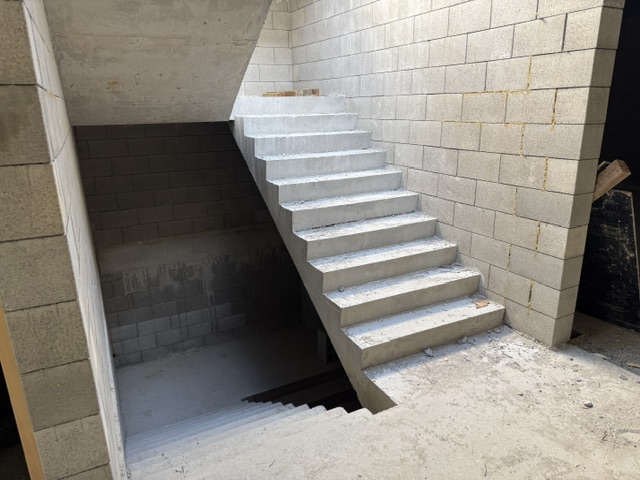
In-House Engineering Capability
Our engineering team includes qualified structural engineers experienced in below-ground construction, retaining wall design, reinforced concrete structures, and geotechnical integration. We provide engineering services for basement projects from initial concept through to construction documentation, design certification, and as-built validation.
In-house engineering capability allows us to iterate design solutions in response to site constraints, ground condition variations, and constructability challenges without introducing third-party delay or communication breakdowns. When site investigation data reveals unexpected soil conditions or water table behaviour, we adjust structural design in real time to maintain project momentum while preserving structural integrity.
We also manage coordination with external consultants including geotechnical engineers, building surveyors, hydraulic consultants, and certifying authorities to ensure all design inputs are integrated into a unified construction package. Engineering coordination failures create design-construction conflicts that manifest as on-site rework, compliance delays, and cost overruns. Our integrated engineering model reduces this risk by maintaining technical accountability within a single delivery entity.
Structural Design for Basement Retaining Walls
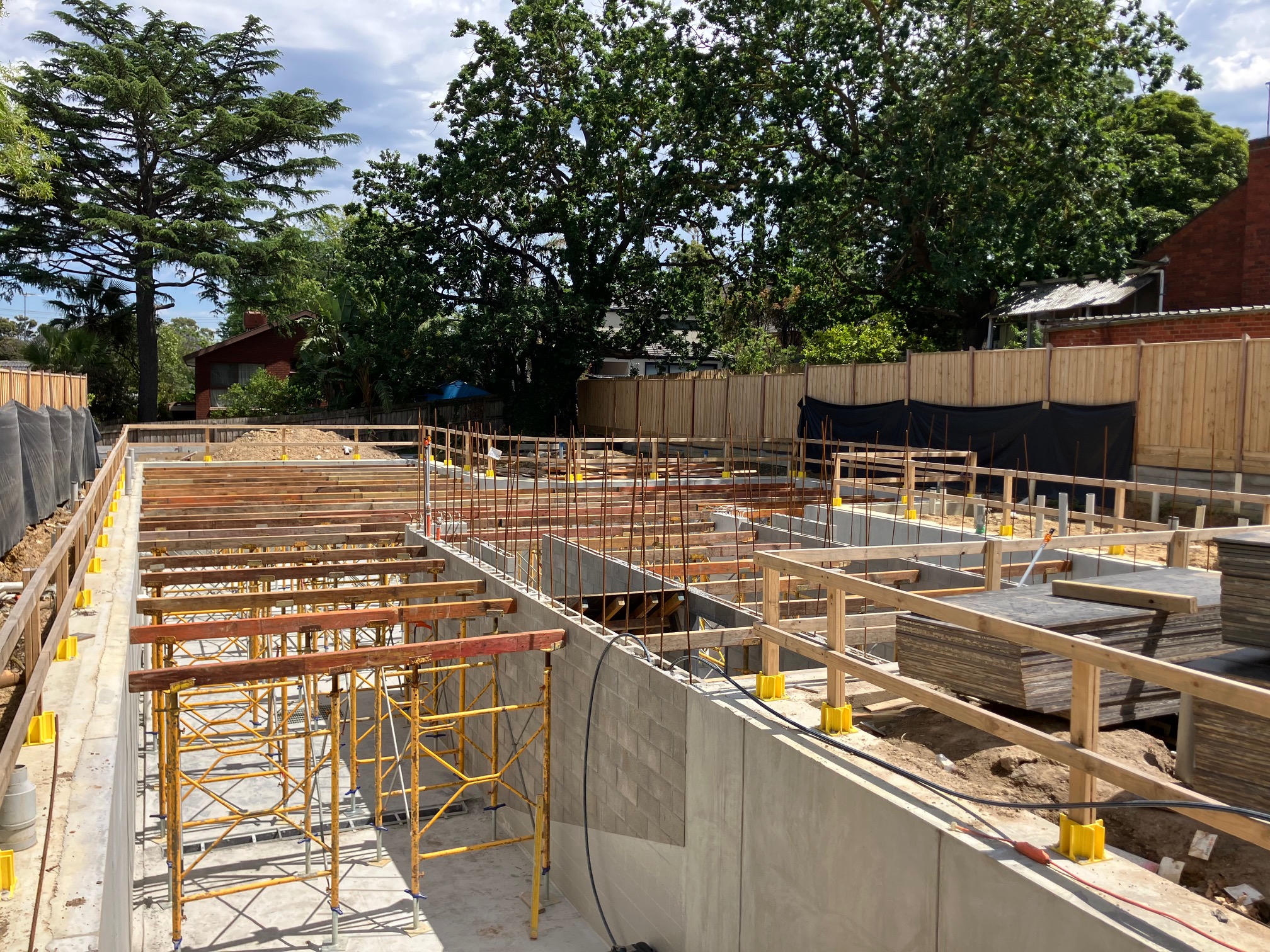
Basement retaining walls must resist active earth pressure, hydrostatic loads, surcharge from adjacent structures, and seismic conditions where applicable. Retaining wall design involves determining wall thickness, reinforcement configuration, footing dimensions, and connection details to the basement slab that collectively ensure structural stability under design loading.
Our engineering team performs structural calculations in accordance with AS 3600 (Concrete Structures) and AS 4678 (Earth-Retaining Structures) to determine minimum wall section requirements, steel reinforcement bar sizing and spacing, concrete cover specifications, and crack control measures. We also assess soil-structure interaction using geotechnical parameters including soil density, angle of internal friction, and cohesion values to ensure design assumptions reflect actual ground behaviour.
Retaining wall design also includes detailing for construction joints, penetration seals, drainage integration points, and connection to suspended floor systems. These details are frequently omitted or underspecified in generic engineering drawings, creating ambiguity during construction that leads to suboptimal execution. We produce construction-ready documentation that eliminates guesswork and provides clear instruction for on-site implementation.
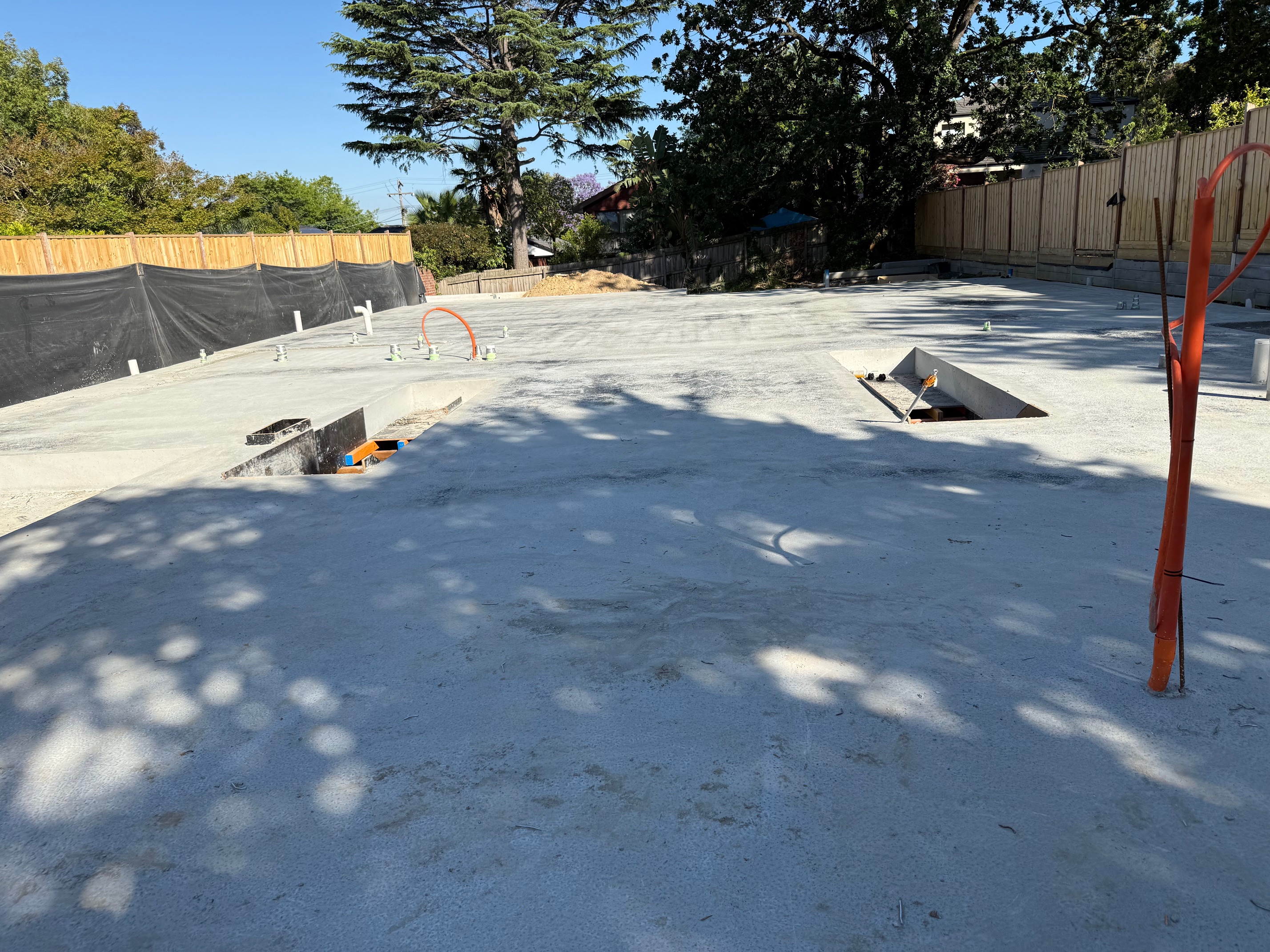
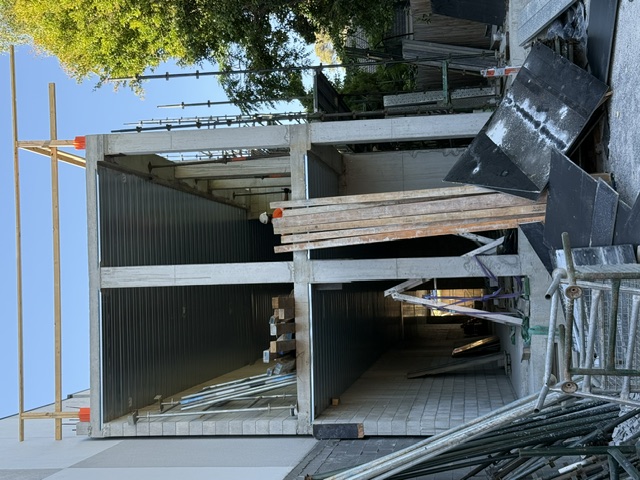
Reinforcement Detailing and Specification
Reinforcement design for basement construction includes specification of steel bar sizes, spacing, lap lengths, anchorage requirements, and placement tolerances designed to provide structural capacity under tension, shear, and bending loads. Reinforcement detailing addresses considerations including service load behavior and long-term durability requirements.
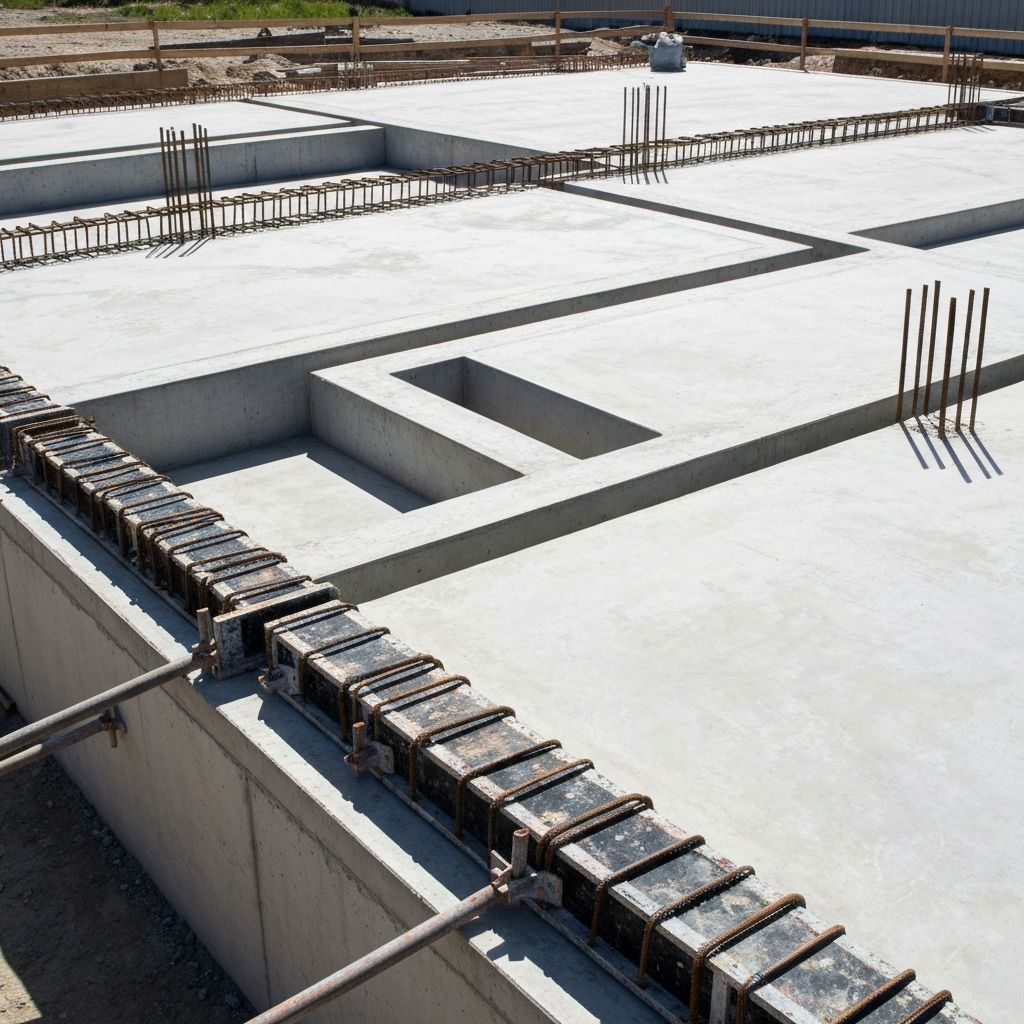
Our engineering team produces detailed reinforcement drawings that specify bar mark numbers, quantities, bending schedules, and positioning dimensions in accordance with AS 3600 requirements. We also detail starter bars, dowels, tie connections, and interface reinforcement at construction joints to ensure continuity of structural load paths across concrete pours.
Reinforcement detailing must also account for congestion at wall-slab junctions, column-wall interfaces, and penetration locations where multiple reinforcement layers intersect. Poor detailing creates installation conflicts that force on-site improvisation and compromise structural performance. We coordinate reinforcement layouts with formwork geometry and concrete placement logistics to ensure constructability without sacrificing structural integrity.
Geotechnical Integration and Ground Condition Management
Basement design depends on accurate geotechnical data including soil classification, bearing capacity, groundwater depth, soil permeability, and consolidation characteristics. Geotechnical site investigations provide this data through borehole drilling, laboratory testing, and in-situ measurement—but interpretation of this data and integration into structural design requires engineering judgement.
Our engineering team reviews geotechnical reports to extract design parameters including allowable bearing pressure, soil lateral pressure coefficients, groundwater pressure assumptions, and soil settlement predictions. Where geotechnical data reveals unfavourable conditions—such as soft clay layers, high water tables, or rock close to excavation depth—we adjust structural design and construction methodology to address identified risks.
Geotechnical conditions also influence drainage system design, dewatering requirements, and underpinning provisions where basements are constructed adjacent to existing structures. Inadequate geotechnical integration can create design assumptions that may not align with actual site conditions. We treat geotechnical data as critical input that shapes structural design—not as advisory information subject to optimistic interpretation.
Design Compliance and Certification
All basement structural designs must comply with the National Construction Code (NCC), relevant Australian Standards, and local council requirements for below-ground construction. Design certification is provided by registered structural engineers who accept professional liability for design adequacy and code compliance.
Our engineering team produces design documentation suitable for building permit applications, construction certification, and regulatory approval processes. This includes structural calculations, design drawings, specification schedules, and compliance statements that demonstrate adherence to AS 3600, AS 4678, AS 2870, and NCC Performance Requirements for structural adequacy and durability.
Design compliance also involves coordination with building surveyors to address site-specific conditions including fire resistance ratings, means of egress, ventilation requirements, and accessibility provisions for below-ground habitable spaces. Compliance failures delay project approval and introduce redesign costs. We engage with certifying authorities early in the design process to ensure regulatory acceptance before construction mobilisation.
Discuss Your Basement Engineering Requirements
Our in-house engineering team can assist with structural design, geotechnical integration, and compliance documentation for your concrete basement project. Contact us to discuss engineering capability and technical scope.